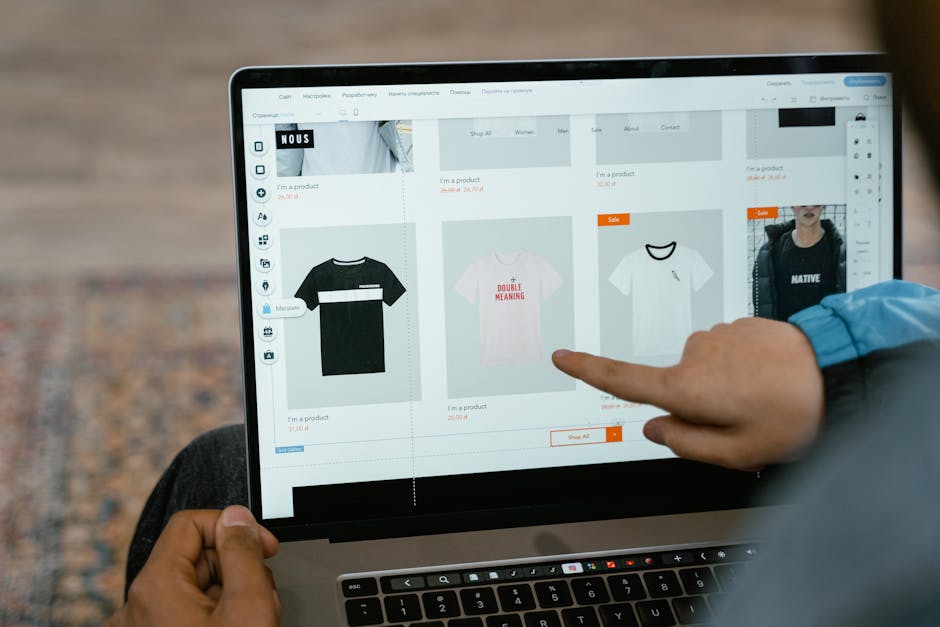
The Shopify affiliate program pays you to promote the platform itself, not individual stores. This distinction confuses many affiliates. The program targets content creators, educators, and influencers who can refer new merchants. If you have an audience interested in starting or scaling an online business, this program offers recurring revenue potential that most product-based affiliate programs can’t match.

What Is the Shopify Affiliate Program?
The Shopify Affiliate Program pays you for referring new merchants who sign up for Shopify’s paid plans. You earn commissions when your referrals convert from free trials to paying customers. This differs from promoting products sold on Shopify stores, which requires working directly with individual merchants or using Shopify affiliate marketing apps.
Your commission structure depends on the plan your referral chooses. Shopify pays an average of $58 per new merchant signup in 2026, though this varies by plan tier and geographic location. The program operates on a 30-day cookie window, meaning you get credit if someone clicks your link and signs up within 30 days.
Key program features include:
- Recurring commissions for the first two months of each referral’s subscription
- Access to promotional materials, banners, and tracking dashboards
- Support from a dedicated affiliate team for approved partners
- Monthly payouts via PayPal once you reach the $25 minimum threshold
The program works best for content creators who already discuss e-commerce, entrepreneurship, or online business topics. Your audience needs to be in a position to start or migrate an online store, not just shop for products.

Eligibility Requirements and Application Process
Shopify reviews every application manually. They prioritize affiliates with established audiences and relevant content. You need an active website, blog, YouTube channel, or social media presence focused on e-commerce, business, or entrepreneurship topics.
The application requires you to provide:
- Your primary content platform URL with at least 3 months of consistent publishing history
- Audience demographics and size metrics
- Examples of how you plan to promote Shopify
- Previous affiliate marketing experience (helpful but not required)
Shopify typically responds within 5 to 7 business days. Approval rates have tightened in 2026 as the program focuses on quality over quantity. They reject applications from affiliates using paid search ads that bid on Shopify’s brand terms or those without clear audience engagement metrics.
If rejected, you can reapply after 90 days. Use this time to build your content library and audience. Focus on creating tutorials about starting online businesses, e-commerce strategy guides, or platform comparison content. These topics naturally align with what Shopify looks for in partners.
Once approved, you gain access to the Impact partner dashboard where you generate tracking links and monitor performance. The onboarding process includes training materials and best practice guides specific to promoting SaaS products.

Shopify Affiliate Program Commission Structure and Payment Terms
Shopify pays a flat rate per successful merchant referral, not a percentage of sales. In 2026, the average commission ranges from $50 to $150 depending on the plan tier your referral selects. Basic plan signups earn less than Shopify Plus referrals.
The payment model includes these specifics:
- You earn 100% of the commission for month one and month two of the merchant’s subscription
- No commissions on free trial periods, only paid subscriptions
- Chargebacks deducted if a merchant cancels within 60 days
- Payouts processed monthly via PayPal with a $25 minimum threshold
According to Impact’s 2026 Affiliate Benchmark Report, SaaS affiliate programs with recurring commission structures see 42% higher affiliate retention rates compared to one-time payout models, making programs like Shopify’s particularly attractive for long-term partnership strategies.
The recurring element means one referral generates income for two months. A merchant paying $79/month for the Basic plan generates approximately $100 in total commissions over that period. This model rewards affiliates who drive quality referrals that stick with the platform.
Payment delays rarely occur since Shopify uses Impact’s automated system. You receive funds around the 15th of each month for the previous month’s confirmed commissions. Track everything through the Impact dashboard, which shows pending, approved, and paid commissions in real time, similar to how modern affiliate dashboards provide transparency.
Best Strategies to Promote the Shopify Affiliate Program
Tutorial content converts better than promotional content for SaaS affiliate programs. Your audience needs to understand how Shopify solves their specific problem before they’ll sign up through your link. Create content that demonstrates the platform’s value rather than just listing features.
High-performing content types include:
- Step-by-step store setup tutorials with screen recordings
- Platform comparison articles (Shopify vs WooCommerce, Shopify vs BigCommerce)
- Case studies of successful Shopify stores in specific niches
- Problem-solving guides for common e-commerce challenges
Video content performs particularly well for this program. YouTube tutorials showing actual store creation drive 3x more conversions than text-only content according to Shopify’s internal affiliate performance data. Consider using tools like Affiliate Aura’s AI UGC video feature to create product demonstration content at scale without hiring video agencies.
SEO-focused blog content provides long-term value. Target keywords like “how to start a dropshipping business” or “best e-commerce platform for beginners” where searchers have high intent to start an online store. These evergreen pieces continue generating referrals months after publication.
Email marketing works if you’ve built a list interested in online business topics. Send educational series about e-commerce fundamentals with Shopify positioned as the implementation tool. Avoid aggressive promotional emails, which damage trust and reduce conversion rates.
Your affiliate links should appear naturally within helpful content. Place them after you’ve demonstrated value or solved a problem, not in the introduction before readers understand the context.

Common Challenges and How to Overcome Them
The 30-day cookie window creates urgency but also limits conversion opportunities. Many people research e-commerce platforms for 60 to 90 days before committing. Your referral might click your link, continue researching elsewhere, and sign up through a different affiliate’s link later.
Combat this by creating content for different stages of the decision process. Early-stage content builds awareness and gets your link clicked first. Follow-up content targeting specific objections or use cases brings people back to click again within the cookie window.
High competition in the Shopify affiliate space means you’re competing with established review sites and YouTube channels. You can’t outspend them on ads or outrank them immediately. Instead, focus on specific niches where you have expertise or audience access.
Target underserved markets:
- Specific product categories (handmade goods, digital products, subscription boxes)
- Geographic regions with growing e-commerce adoption
- Business models (print-on-demand, dropshipping, wholesale)
- Audience demographics (retirees starting side businesses, creative professionals)
Chargebacks hurt when merchants cancel within 60 days. This happens more often with referrals who weren’t properly qualified. Focus on attracting serious entrepreneurs who understand the commitment required to run an online store. Content that sets realistic expectations filters out tire-kickers who’ll cancel quickly.
Tracking attribution issues occasionally occur when users click multiple affiliate links or use different devices. The Impact platform handles most of this automatically, but some conversions slip through. This affects all affiliates equally, so focus on volume to offset occasional lost commissions.

Shopify Affiliate Program vs Running Your Own Affiliate Network
Promoting Shopify’s affiliate program differs fundamentally from creating your own affiliate program for a Shopify store. The Shopify program pays you to recruit new merchants to the platform. Your own program pays affiliates to drive sales to your specific store.
Shopify’s program advantages:
- No product creation, inventory, or customer service required
- Established brand recognition makes conversions easier
- Professional tracking and payment infrastructure provided
- Recurring revenue model from subscription payments
Running your own affiliate program advantages:
- Higher commission potential per conversion (you control the rates)
- You own the customer relationship and future purchase value
- No competition with other affiliates for the same conversions
- Flexibility to adjust terms and experiment with incentives
Many e-commerce entrepreneurs do both. They promote Shopify to their audience interested in starting stores while running their own affiliate program to drive sales to their products. Platforms like Affiliate Aura make managing your own program simple with real-time tracking and instant payouts that match or exceed what Shopify offers its affiliates.
The decision depends on your audience composition. If most followers want to start businesses, Shopify’s program fits better. If they’re potential customers for your products, your own program generates more revenue. Content creators with mixed audiences benefit from segmenting their content strategy to address both groups.
Tools and Resources for Shopify Affiliates
The Impact dashboard provides basic tracking, but successful Shopify affiliates use additional tools to optimize their promotional efforts. Link management becomes critical when you’re promoting across multiple platforms and content pieces.
Essential tools include:
- Link shortening services with custom domains for cleaner, more trustworthy URLs
- Analytics platforms that show which content pieces drive the most referrals
- Email marketing software for nurturing leads over the extended decision timeline
- SEO tools for identifying high-intent keywords your target audience searches
Affiliate Aura’s platform offers many of these features in one place, including custom domain link shortening and accurate click tracking. While built primarily for merchants managing their own affiliate programs, the tools work equally well for affiliates tracking multiple programs including Shopify’s.
Shopify provides approved affiliates with promotional assets including banner ads, logos, and pre-written copy. These materials help but shouldn’t replace original content. Your unique perspective and authentic recommendations convert better than generic promotional materials.
Join affiliate marketing communities and forums where Shopify affiliates share strategies. The Impact partner community includes discussion boards where you can learn from top performers. Many successful affiliates openly share what’s working in 2026 since the market is large enough that collaboration benefits everyone.
Stay updated on Shopify’s product releases and feature announcements. New features give you fresh content angles and reasons to reach out to your audience again. Shopify’s partner blog and email updates keep you informed about changes that might affect your promotional strategy.
Frequently Asked Questions
How much does it cost to join the Shopify affiliate program?
The Shopify affiliate program is completely free to join. There are no signup fees, monthly charges, or performance quotas. You only need an approved application and a platform where you can promote Shopify to your audience. Shopify covers all tracking technology and payment processing costs.
What are the commission rates for Shopify affiliates in 2026?
Shopify pays an average of $58 per successful merchant referral in 2026, with rates ranging from $50 to $150 depending on the plan tier your referral selects. You earn commissions for the first two months of each merchant’s paid subscription. Payments process monthly via PayPal once you reach the $25 minimum threshold.
How long does Shopify affiliate program approval take?
Shopify typically reviews applications within 5 to 7 business days. Approval depends on your content quality, audience relevance, and promotional strategy. They prioritize affiliates with established platforms focused on e-commerce, entrepreneurship, or business topics. If rejected, you can reapply after 90 days with improved content and audience metrics.
Can I promote individual Shopify stores as an affiliate?
No, the Shopify affiliate program only pays for referring new merchants to Shopify itself, not for promoting products from individual Shopify stores. To earn commissions from specific Shopify stores, you need to join those merchants’ individual affiliate programs or work through third-party networks. Many Shopify merchants manage their own programs using dedicated affiliate management platforms.
What is the cookie duration for Shopify affiliate links?
Shopify affiliate links use a 30-day cookie window. You receive credit if someone clicks your affiliate link and signs up for a paid Shopify plan within 30 days. This relatively short window means you need to target audiences with high purchase intent who are actively researching e-commerce platforms rather than just casually browsing.
Do Shopify affiliates earn recurring commissions?
Yes, but only for the first two months of each merchant’s subscription. You earn your full commission amount for month one and month two of their paid plan. After that, you receive no further commissions from that referral. This differs from true lifetime recurring programs but still provides more value than single-payment affiliate models.
Who should join the Shopify affiliate program?
The program works best for content creators, educators, and influencers whose audiences are interested in starting or growing online businesses. Ideal candidates include business bloggers, YouTube channels covering entrepreneurship, podcast hosts discussing e-commerce, and online course creators teaching digital business skills. You need an established platform with consistent content production and engaged followers considering starting an online store.
Ready to Get Started?
The Shopify affiliate program offers solid recurring revenue if you have the right audience and content strategy. Focus on creating genuinely helpful tutorials and guides that demonstrate value before asking for the signup. Quality referrals who stick with Shopify generate more income than high volumes of unqualified clicks.
If you’re also running your own e-commerce business, consider building your own affiliate program alongside promoting Shopify. Affiliate Aura provides the same professional tracking, instant payouts, and analytics that make Shopify’s program successful, but for your own products and store. You can manage both strategies simultaneously, promoting Shopify to aspiring merchants while recruiting affiliates to promote your products.
Start by applying to Shopify’s program if you meet the eligibility requirements. While waiting for approval, create your first piece of educational content about starting an online store. Whether you’re accepted immediately or need to build your platform first, the content you create now becomes the foundation for long-term affiliate revenue.