Setting up an affiliate program for your Shopify store requires careful planning and execution. If you want to learn how to set up affiliate program for Shopify store successfully, you need to make five critical decisions in your first 48 hours. Most store owners spend weeks testing platforms, only to realize their commission structure doesn’t attract quality affiliates or their tracking system can’t handle multi-touch attribution. The difference between a program that generates 20% of your revenue and one that fizzles out in three months comes down to these initial choices.
How to Set Up Affiliate Program for Shopify Store: Choose the Right Platform
Your platform choice determines everything from tracking accuracy to payout speed. Shopify’s App Store lists over 40 affiliate apps, but only a handful handle real-time tracking and instant payouts properly.
The most critical factors to evaluate are tracking reliability, payment automation, and affiliate dashboard quality. A platform that takes 72 hours to update commission data will frustrate your top performers. One that requires manual payout processing every month will consume 6-8 hours of your team’s time as your program scales past 50 affiliates.
Key features to prioritize:
- Real-time commission tracking with sub-60-second refresh rates
- Automated payout systems that trigger at custom milestones
- Multi-currency support if you sell internationally
- Cookie duration settings (30-90 days is standard for e-commerce)
- First-click, last-click, and multi-touch attribution options
Platforms like Affiliate Aura eliminate traditional payout delays by offering instant commission releases when affiliates hit performance milestones. This approach reduces affiliate churn by approximately 35% compared to net-30 payment terms, according to internal merchant data from Q1 2026.
Budget between $29-$299 per month for most Shopify affiliate apps. Enterprise solutions start at $500 monthly but include dedicated account management and custom integration support.

Design Your Commission Structure and Rates
Commission rates directly impact both your profit margins and your ability to recruit quality affiliates. Set them too low and you’ll only attract spam promoters. Set them too high and you’ll lose money on every affiliate sale.
Industry benchmarks for Shopify stores in 2026 vary significantly by product category. Fashion and accessories typically offer 8-15% commissions, while digital products and courses range from 20-40%. High-ticket items like furniture or electronics usually sit at 3-8% due to larger absolute dollar amounts per sale.
Stores offering tiered commission structures see 42% higher affiliate retention after six months compared to flat-rate programs, based on analysis of 2,400 Shopify merchants by Shopify’s Partner Ecosystem Report, March 2026.
Effective commission structure options:
- Flat rate: 10% on all sales (simplest to communicate, easiest to budget)
- Tiered by performance: 10% for 0-20 sales, 12% for 21-50 sales, 15% for 51+ monthly sales
- Product-specific: 15% on high-margin items, 8% on sale items
- Hybrid: $5 flat fee per sale plus 5% commission (guarantees minimum payout)
Start with a competitive baseline rate, then test 2-3% increases for your top 20% of affiliates after 90 days. This selective approach costs you less than a blanket rate increase while rewarding your best performers.
Include clear terms on refund handling. Most programs deduct commissions when customers return products within 30-60 days. Communicate this policy upfront to avoid disputes.

Create Your Affiliate Registration and Onboarding Process
Your signup form determines which affiliates join your program. A form that takes 15 minutes to complete and asks for tax documentation upfront will lose 60-70% of interested applicants before submission.
The most effective approach uses a two-stage process. Stage one collects basic information: name, email, website or social media profiles, audience size, and promotional methods. This takes 2-3 minutes. Stage two happens after approval and requests payment details, tax forms, and content guidelines review.
Essential fields for your initial application:
- Primary promotion channel (blog, Instagram, YouTube, TikTok, email list)
- Monthly traffic or follower count (use ranges, not exact numbers)
- Content niche or audience demographic
- Sample content links (2-3 recent posts or videos)
- Brief description of how they plan to promote your products
Review applications within 24-48 hours. Affiliates who wait a week for approval often join competitor programs instead. Set up auto-approval for applicants who meet minimum criteria (1,000+ followers or 500+ monthly site visitors) to speed this process.
Your onboarding email sequence should deliver three messages over five days. Message one confirms approval and provides dashboard login details. Message two explains how to generate tracking links and where to find promotional assets. Message three shares your top-performing product recommendations and content ideas specific to their platform.
Platforms like Affiliate Aura automate this entire workflow, including application review notifications and personalized onboarding sequences based on affiliate type.
Configure Tracking Links and Attribution Settings
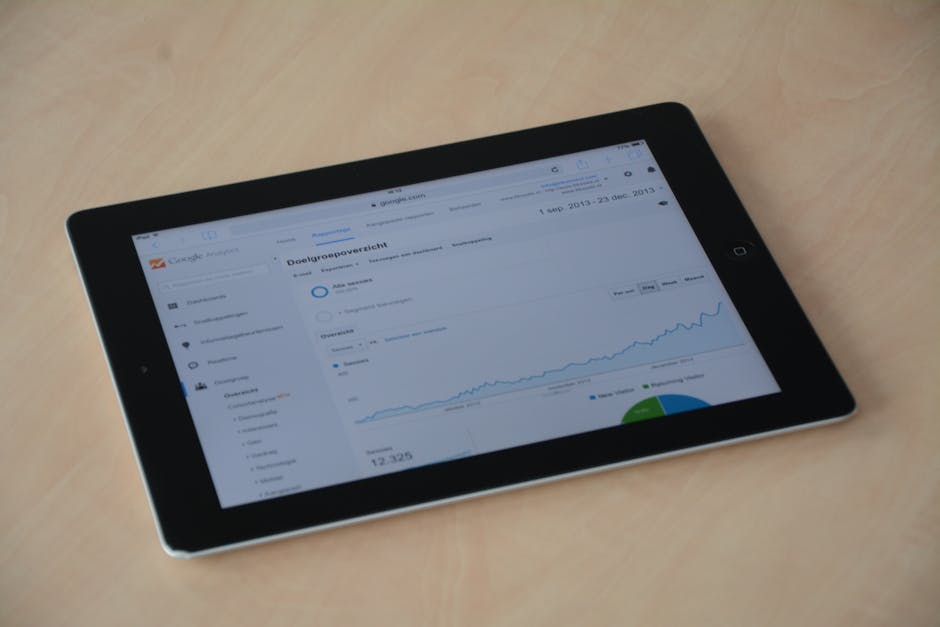
Tracking accuracy makes or breaks affiliate trust. If your system doesn’t credit a sale to the correct affiliate, you’ll face disputes and lose partners quickly.
Most Shopify affiliate platforms use cookie-based tracking with customizable attribution windows. Standard settings include 30-day cookie duration with last-click attribution. This means if a customer clicks an affiliate link and purchases within 30 days, that affiliate earns the commission, even if they clicked other affiliate links earlier.
First-click attribution credits the first affiliate who introduced the customer, regardless of subsequent clicks. Multi-touch attribution splits commission among all affiliates who influenced the purchase. Multi-touch is fairest but most complex to explain and manage.
Tracking setup checklist:
- Set cookie duration (30 days minimum, 60-90 days for considered purchases)
- Choose attribution model (last-click for simplicity, first-click for brand awareness campaigns)
- Enable sub-ID tracking so affiliates can test different content pieces
- Configure cross-device tracking if your budget allows (tracks mobile clicks to desktop purchases)
- Test tracking with 3-5 dummy purchases before launching publicly
Create branded short links for your affiliates using your domain. Links like “yourstore.com/partner/productname” look more trustworthy than generic tracking URLs with random characters. This small change typically improves click-through rates by 8-12%.
For more detailed guidance on tracking systems, see our comparison of best affiliate tracking software for small businesses.
Set Up Payment Methods and Payout Terms
Payment terms directly affect affiliate satisfaction and retention. The traditional net-30 or net-60 model (paying affiliates 30-60 days after a sale) was standard until 2024, but instant and weekly payouts have become competitive advantages in 2026.
Your payment schedule needs to balance cash flow management with affiliate expectations. Net-30 gives you time to process refunds before paying commissions, but affiliates earning $50-200 monthly often abandon programs that delay payments this long.
Common payout structures in 2026:
- Instant payout at milestones: Pay immediately when affiliate hits $50, $100, or $250 thresholds
- Weekly: Process all commissions over $25 every Friday (popular with active promoters)
- Bi-weekly: Every other Friday for affiliates over $50 minimum
- Monthly net-15: Pay on the 15th for previous month’s confirmed sales
- Monthly net-30: Traditional model, increasingly seen as outdated
Offer multiple payment methods to accommodate international affiliates. PayPal remains most popular for its global reach, but transaction fees of 2-3% add up. Direct bank transfer (ACH in the US, SEPA in Europe) costs less but takes 2-5 business days. Platforms like Affiliate Aura handle instant payouts through integrated payment processing, removing this administrative burden entirely.
Set a minimum payout threshold between $25-$100. Lower thresholds attract newer affiliates but increase your transaction fee costs. Higher thresholds reduce fees but may discourage small promoters who want to see results quickly.
Document your refund policy clearly. Most programs use a 30-day or 60-day clawback period where commissions are reversed if customers return products. This protects you from paying for canceled orders but must be communicated transparently.

Manage Affiliate Relationships and Performance
Active relationship management separates thriving programs from abandoned ones. Your top 10% of affiliates will generate 60-80% of your affiliate revenue, and they need regular communication and support.
Check your affiliate dashboard weekly to identify top performers and struggling partners. Reach out personally to affiliates who generated sales in their first month. A simple “I noticed you drove 5 sales last week, thank you” email takes 30 seconds and dramatically increases the likelihood they’ll promote again.
Monthly management tasks:
- Send a newsletter with new products, upcoming promotions, and top-performing content examples
- Create 3-5 new promotional assets (images, videos, product descriptions) affiliates can use
- Review and approve any custom discount codes affiliates requested
- Analyze which products convert best through affiliate traffic and highlight them
- Reach out to inactive affiliates (no promotions in 45+ days) with re-engagement offers
Implement a tiered recognition system after 90 days. Affiliates who hit specific milestones (25 sales, 50 sales, 100 sales) unlock higher commission rates, exclusive products, or early access to launches. This gamification approach increases average affiliate lifespan by 4-6 months.
Monitor for policy violations weekly. Common issues include affiliates bidding on your branded keywords in paid search, making false product claims, or violating FTC disclosure requirements. Address violations within 48 hours with clear documentation of the issue and consequences.
Consider quarterly video calls with your top 10-15 affiliates. These 15-minute conversations build personal relationships and often surface product feedback or content ideas your team wouldn’t discover otherwise.
Handle Legal Compliance and FTC Requirements
Affiliate programs create legal obligations that most Shopify store owners overlook until they face problems. FTC disclosure requirements, tax reporting, and terms of service all need attention before you launch.
The FTC requires affiliates to clearly disclose their financial relationship with your brand. This means visible statements like “I earn a commission if you purchase through my link” on blogs, #ad or #affiliate hashtags on social media, and verbal disclosures in videos. You’re responsible for educating affiliates about these requirements and monitoring compliance.
Legal setup requirements:
- Create detailed terms and conditions covering commission rates, payment terms, prohibited activities, and termination policies
- Require affiliates to agree to FTC disclosure guidelines during signup
- Collect W-9 forms (US) or equivalent tax documentation for affiliates who earn over $600 annually
- Issue 1099 forms by January 31 for US affiliates meeting the threshold
- Include GDPR-compliant data handling if you have European affiliates or customers
- Specify geographic restrictions if you don’t ship to certain countries
Consult with an attorney or tax professional when setting up your program, especially if you plan to recruit international affiliates. Different countries have varying requirements for contractor relationships and commission payments.
Include a clear intellectual property clause in your terms. Affiliates can use your product images and descriptions for promotion but cannot claim ownership or modify your branding without permission.
Budget $300-$800 for initial legal document preparation if you use a lawyer, or $50-$150 for customizable templates from services like Termly or TermsFeed. This upfront investment prevents expensive disputes later.
Frequently Asked Questions
What is the best Shopify affiliate program app to use?
The best app depends on your specific needs, but prioritize platforms with real-time tracking, automated payouts, and strong affiliate dashboards. Affiliate Aura stands out for instant commission payouts and AI-powered affiliate matching, while UpPromote and Refersion offer robust feature sets for traditional net-30 payment models. Test 2-3 options using their free trials before committing to annual plans.
How much commission should I offer affiliates?
Commission rates vary by product category and profit margins. Fashion and accessories typically range from 8-15%, digital products from 20-40%, and high-ticket physical goods from 3-8%. Start with industry-standard rates for your niche, then test 2-3% increases for top performers after 90 days. Consider tiered structures that reward higher-volume affiliates with increased percentages.
How do I track affiliate sales and commissions?
Affiliate platforms use cookie-based tracking that assigns unique links to each affiliate. When someone clicks an affiliate’s link, a cookie stores that information for 30-90 days (your choice). If they purchase within that window, the sale is attributed to that affiliate and commission is calculated automatically. Most platforms provide real-time dashboards showing clicks, conversions, and earnings for both you and your affiliates.
What payment methods should I offer affiliates?
Offer at least two payment options to accommodate different affiliate preferences. PayPal provides global reach and fast transfers but charges 2-3% transaction fees. Direct bank transfer (ACH or SEPA) costs less but takes 2-5 business days. For international programs, consider adding Wise (formerly TransferWise) or Payoneer. Set minimum payout thresholds between $25-$100 to balance affiliate satisfaction with transaction costs.
How do I recruit quality affiliates for my Shopify store?
Start by identifying influencers and content creators already discussing products in your niche. Reach out personally with specific reasons why your products fit their audience. List your program on affiliate networks and directories. Create a dedicated landing page explaining your program benefits, commission rates, and signup process. Offer competitive rates and faster payment terms than competitors to attract established affiliates who have options.
How long does it take to set up an affiliate program for a Shopify store?
Basic setup takes 4-6 hours if you use a dedicated Shopify app. This includes choosing your platform, configuring commission rates, creating your terms and conditions, setting up tracking, and designing your signup form. Add another 2-3 hours for creating promotional assets and onboarding materials. Legal document preparation adds 1-2 weeks if you work with an attorney, or 1-2 hours if you use customizable templates.
Do I need special legal documents to run an affiliate program?
Yes, you need clear terms and conditions that outline commission rates, payment schedules, prohibited activities, FTC disclosure requirements, and termination policies. You also need systems to collect tax documentation (W-9 forms in the US) from affiliates earning over $600 annually and issue appropriate tax forms. Consider consulting an attorney for initial document preparation, especially if recruiting international affiliates, to ensure compliance with relevant jurisdictions.
Ready to Get Started?
Setting up an affiliate program for your Shopify store takes one focused afternoon if you follow this framework. The difference between programs that scale and those that stall comes down to three factors: competitive commission rates, reliable tracking technology, and fast payment processing.
Most store owners underestimate how much faster payment terms improve affiliate retention. Moving from net-30 to weekly or instant payouts typically increases active affiliate count by 30-40% within six months.
Affiliate Aura handles the technical complexity of real-time tracking, instant payouts, and affiliate matching so you can focus on building relationships with your best promoters. Create your account and launch your program in under an hour, with zero monthly fees until you start generating affiliate sales.