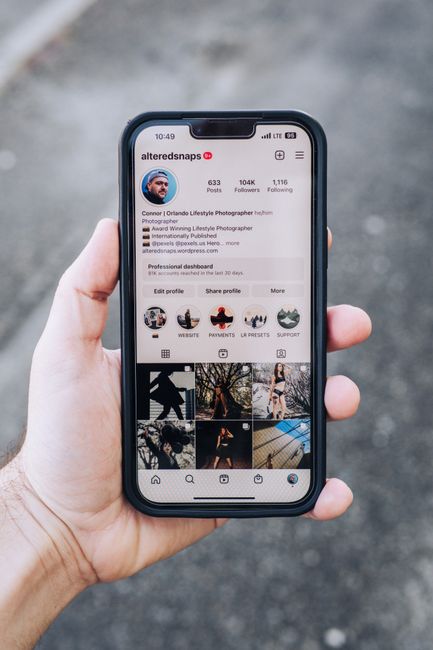
Most brands waste months hunting for influencers who ghost them after one post. The real challenge isn’t finding influencers, it’s recruiting the ones who actually drive sales and stick around. In 2026, successful affiliate programs use systematic methods to recruit influencers for affiliate programs. They use data to identify high-potential partners and build relationships that convert followers into customers. This guide walks you through the exact process that e-commerce brands use to recruit, evaluate, and onboard influencers who generate measurable ROI.

How to Recruit Influencers for Affiliate Program: Start With Your Ideal Profile
Before you reach out to anyone, define exactly who you need. Most brands skip this step and waste time on influencers whose audiences don’t convert.
Your ideal influencer profile should specify three core criteria. First, audience demographics that match your customer base. If you sell premium skincare to women aged 25-40, an influencer with a teenage gaming audience won’t work, no matter how large their following. Second, engagement rate matters more than follower count. A micro-influencer with 15,000 followers and 8% engagement typically outperforms someone with 200,000 followers and 1.5% engagement. Third, content quality and brand alignment. Review their past 20-30 posts to ensure their aesthetic, values, and messaging align with your brand.
Document these criteria in a simple spreadsheet with weighted scores. Audience match might be worth 40 points, engagement rate 30 points, content quality 20 points, and niche authority 10 points. This scoring system helps your team evaluate influencers consistently, especially when you’re reviewing dozens of potential partners. Platforms like Affiliate Aura use similar matching algorithms to connect merchants with affiliates whose audiences naturally align with product categories, reducing the manual screening workload by 60-70%.
- Define audience demographics: age range, location, interests, income level
- Set minimum engagement thresholds: 3-5% for macro-influencers, 5-10% for micro-influencers
- Identify content types that showcase your products best: tutorials, reviews, lifestyle integration
- List competitor brands they’ve worked with to gauge niche relevance
Use Multi-Channel Discovery Methods
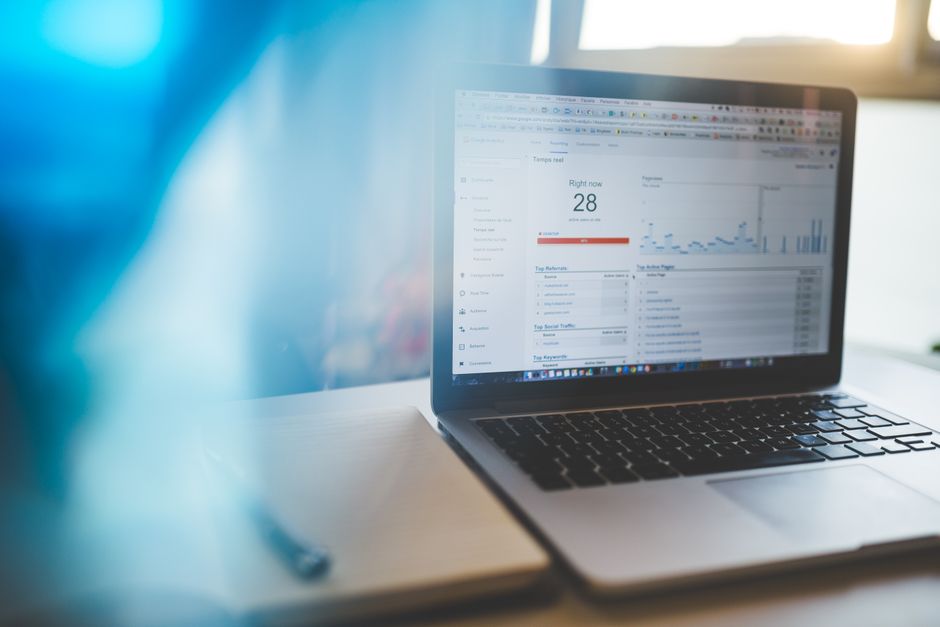
Finding the right influencers requires searching beyond Instagram’s explore page. The best recruitment strategies combine five discovery channels simultaneously.
Start with hashtag research on Instagram, TikTok, and YouTube. Search for product-specific hashtags like #sustainablefashion or #techreviews, not just #influencer. Sort by recent posts to find active creators. Platform-specific tools like Instagram’s Creator Marketplace or TikTok’s Creator Portal provide verified influencer profiles with audience insights, though access often requires a business account with established ad spend.
Google searches reveal influencers who rank for product review keywords. Search “[your product category] review” or “best [product type] 2026” to find bloggers and YouTubers who already create comparison content. These creators typically have SEO skills and drive long-term traffic, not just temporary social engagement.
Third-party influencer databases like Upfluence, AspireIQ, and Modash let you filter by niche, location, engagement rate, and audience demographics. Most charge $500-2,000 per month, but they save 15-20 hours weekly compared to manual searches. For smaller budgets, free tools like HypeAuditor’s Instagram search or Social Blade’s channel finder provide basic discovery features.
Check your existing customer base. Your best affiliates might already be buying from you. Email customers who’ve left detailed reviews or posted tagged photos asking if they’d be interested in an affiliate partnership. These people already love your products and have authentic testimonials ready to share. According to a 2026 influencer marketing report from Business Wire, customer-turned-affiliate programs see 40% higher conversion rates than cold-recruited influencer partnerships.

Evaluate Quality Over Follower Count
A large following means nothing if the audience doesn’t trust the influencer or match your customer profile. Your evaluation process should dig deeper than vanity metrics.
Engagement rate is your first quality filter. Calculate it by adding likes and comments on the last 12 posts, dividing by follower count, then dividing by 12. Anything below 2% suggests fake followers or disengaged audiences. But high engagement alone isn’t enough. Read the actual comments. Are they substantive responses or just emoji spam? Do followers ask questions about products or just drop generic praise? Quality engagement includes saves, shares, and click-throughs, not just hearts.
Audience demographics require direct verification. Ask influencers for screenshots from their native analytics showing age, gender, location, and interests. Instagram Insights, YouTube Analytics, and TikTok Creator Tools all provide this data. If an influencer refuses to share these screenshots, that’s a red flag. Cross-reference their claimed demographics with comment analysis. If they say their audience is 70% female but all the comments use male names and pronouns, something doesn’t match.
Micro-influencers with 10,000 to 50,000 followers generate 60% higher engagement rates and 22% higher conversion rates than macro-influencers, according to 2026 data from Influencer Marketing Hub, making them the most cost-effective tier for affiliate recruitment.
Content quality determines how well they’ll represent your brand. Review their last 30 days of posts. Do they disclose sponsored content properly? Are product placements natural or forced? Do they create original content or just repost brand assets? Check if they’ve promoted competing products recently, and if so, whether those partnerships appeared authentic. The best affiliate influencers integrate products into their existing content style rather than creating obvious ads that followers scroll past.
- Calculate engagement rate across 12 recent posts for consistency
- Request audience demographic screenshots from native platform analytics
- Review comment quality: look for questions, conversations, and genuine reactions
- Verify past brand partnerships and disclosure compliance
- Check follower growth patterns for sudden spikes that suggest purchased followers

Craft Personalized Outreach Messages
Generic copy-paste pitches get 3-5% response rates. Personalized outreach that references specific content gets 35-40% response rates. The difference is obvious once you see the numbers.
Your outreach message should answer three questions immediately: why you chose them specifically, what you’re offering, and what you need from them. Start by mentioning a specific post or video they created. “I saw your review of [competitor product] last week and loved how you explained [specific feature]” proves you actually follow their content. Then explain your offer in concrete terms. Don’t say “exciting partnership opportunity.” Say “We’d like to offer you a 15% commission on all sales through your affiliate links, plus a $200 flat fee for your first review video.”
Email works best for established influencers with professional setups. Keep subject lines under 50 characters and front-load the value proposition. Instagram DMs work for micro-influencers who manage their own accounts, but avoid long paragraphs. LinkedIn is effective for B2B influencers and thought leaders. Whichever channel you use, make responding easy. Include a calendar link for a 15-minute intro call or a simple “Reply YES if interested” CTA.
Your outreach should come from a real person, not a generic brand account. Influencers want to work with humans who understand their content and audience. Sign messages with your name and title. Include your direct email and phone number. If you’re using affiliate management tools to scale outreach, personalize the first touchpoint manually before automating follow-ups.
- Reference a specific post from the last 2 weeks to prove you follow their content
- State commission rate, payment terms, and any upfront fees in the first message
- Provide 2-3 response options: schedule a call, request more info, or decline politely
- Follow up once after 5-7 days if you don’t hear back, then move on

Structure Commission Rates That Attract Quality Partners
Your commission structure determines which influencers say yes and how hard they promote. Offer too little and top performers ignore you. Offer too much and you lose money on every sale.
Standard affiliate commission rates in 2026 range from 10-30% depending on product margins and industry. Physical products with thin margins typically offer 10-15%. Digital products and services with high margins can offer 20-40%. Research your competitors’ public affiliate programs to establish baseline rates. Most influencers won’t promote for less than 15% unless you’re offering additional perks like free products, exclusive discount codes, or performance bonuses.
Tiered commission structures incentivize performance. Start influencers at 15% for their first $1,000 in sales, increase to 20% for $1,000-5,000, and 25% for anything above $5,000. This rewards top performers without overpaying partners who generate minimal sales. Platforms like Affiliate Aura automate these tier adjustments and trigger instant payouts when influencers hit milestones, eliminating the 30-60 day payment delays that cause most affiliates to quit.
Consider hybrid compensation models for high-value partnerships. Offer a flat fee of $300-1,000 for guaranteed content creation plus ongoing commission for long-term sales. This works well when you need specific deliverables like a YouTube review or Instagram Reel series. The flat fee covers their production time while commission provides ongoing incentive to keep promoting.
Payment speed matters as much as rate. Influencers who wait 60-90 days for commissions often stop promoting before they see results. Offering weekly or instant payouts increases active promotion time by 40-50% according to internal data from affiliate platforms. When you explain payment terms during outreach, emphasize speed alongside percentage rates.

Automate Onboarding With CRM Integration
Managing 10 influencers manually is feasible. Managing 50-100 requires automation or you’ll spend 20 hours weekly on administrative tasks instead of strategy.
Your onboarding pipeline should move influencers through five stages: application, evaluation, contract signing, account setup, and first promotion. CRM tools like HubSpot, Airtable, or dedicated affiliate management systems track each influencer’s progress and automate stage transitions. When an influencer submits an application, your system should automatically send evaluation criteria, request analytics screenshots, and schedule a review date.
Contract templates standardize your legal protection while speeding up approvals. Your template should cover commission rates, payment terms, content ownership, FTC disclosure requirements, exclusivity clauses, and termination conditions. Use e-signature tools like DocuSign or PandaDoc to collect signatures in 24 hours instead of waiting for printed contracts. Store signed agreements in your CRM with tags for commission tier, content requirements, and renewal dates.
Account creation should happen automatically after contract signing. Generate unique affiliate links, assign tracking codes, and send welcome emails with promotional assets without manual intervention. Affiliate Aura handles this entire sequence, creating branded short links and dashboard access within minutes of contract completion. This reduces onboarding time from 5-7 days to under 2 hours.
First promotion support determines whether new affiliates actually start promoting. Send a templated launch email with 3-5 pre-written social captions, product images, key talking points, and your best-performing content examples. Schedule a 15-minute onboarding call to answer questions and review their promotion strategy. Influencers who receive structured onboarding support publish their first post 60% faster than those who figure it out alone.
- Build a CRM pipeline with automated emails for each onboarding stage
- Create contract templates covering FTC compliance, commission terms, and content rights
- Auto-generate unique tracking links immediately after contract signing
- Provide promotional asset packages with captions, images, and talking points
- Schedule onboarding calls within 48 hours of account creation
Track Performance and Optimize Partnerships
Recruitment doesn’t end when influencers sign up. The partners who drive real results need different support than those who underperform, and you can’t tell the difference without tracking.
Your tracking system should measure four core metrics per influencer: clicks, conversion rate, average order value, and total revenue generated. Clicks show reach and interest. Conversion rate reveals how well their audience matches your customer profile. Average order value indicates audience purchasing power. Total revenue determines ROI and commission payouts. Platforms with real-time affiliate tracking let you spot top performers within the first week instead of waiting 30 days for manual reports.
Set performance benchmarks based on your first 10-15 partnerships. If your average influencer generates 200 clicks and 8 conversions in their first month, that becomes your baseline. Partners who hit 150% of baseline after 60 days qualify for higher commission tiers or exclusive product access. Those who stay below 50% of baseline after 90 days need either additional support or partnership termination.
Regular check-ins maintain engagement and surface problems early. Schedule monthly calls with your top 20% of performers to discuss what’s working, gather content ideas, and offer exclusive perks. Send quarterly performance reports to all active affiliates showing their earnings, growth trends, and how they compare to program averages. Influencers who receive consistent communication promote 3-4 times more frequently than those who only hear from you during onboarding.
Use performance data to refine your recruitment criteria. If micro-influencers in the 15,000-30,000 follower range consistently outperform those with 50,000-100,000 followers, shift your outreach focus accordingly. If YouTube reviews generate 40% higher conversion rates than Instagram posts, prioritize video creators in future recruitment. Your first 20 partnerships teach you which influencer profiles actually drive sales versus which ones just look good on paper. For more strategies on optimizing affiliate performance, check out these proven tactics to increase affiliate sales.
Frequently Asked Questions
How to find influencers for affiliate marketing?
Use a combination of hashtag searches on Instagram and TikTok, Google searches for product review keywords, third-party databases like Upfluence or HypeAuditor, and your existing customer base. Start by defining your ideal audience demographics and engagement thresholds, then search systematically across these channels. The most effective approach combines automated discovery tools with manual vetting of content quality and audience authenticity.
What are the best tools to recruit influencers?
Upfluence, AspireIQ, and Modash offer comprehensive influencer databases with demographic filtering and engagement analytics, typically costing $500-2,000 monthly. For smaller budgets, HypeAuditor provides free Instagram search features, while Social Blade offers basic YouTube channel analysis. Native platform tools like Instagram Creator Marketplace and TikTok Creator Portal provide verified profiles at no cost but require established business accounts. Affiliate management platforms like Affiliate Aura include influencer matching features alongside tracking and payment automation.
How to negotiate with influencers for affiliate programs?
Start by offering standard commission rates for your industry, typically 15-25% for physical products and 20-40% for digital products. Present tiered structures that increase commissions as sales volume grows, which incentivizes performance without overpaying initially. For high-value partnerships, consider hybrid models combining flat fees of $300-1,000 for guaranteed content plus ongoing commission. Emphasize payment speed as a negotiation advantage, since instant or weekly payouts often matter more to influencers than slightly higher rates with 60-day delays.
How to track influencer affiliate performance?
Implement tracking systems that measure clicks, conversion rate, average order value, and total revenue per influencer using unique affiliate links or codes. Real-time tracking platforms provide immediate visibility into which partnerships drive actual sales versus just traffic. Set performance benchmarks based on your first 10-15 partnerships, then compare all new recruits against these baselines. Schedule monthly reviews with top performers and quarterly reports for all active affiliates to maintain engagement and identify optimization opportunities.
What commission rate should I offer influencers?
Offer 10-15% for physical products with thin margins, 15-20% for products with moderate margins, and 20-40% for digital products or high-margin services. Research competitor affiliate programs in your niche to establish baseline rates that attract quality partners. Implement tiered structures that start at 15% and increase to 20-25% as influencers hit sales milestones like $1,000 or $5,000 in total revenue. Most influencers won’t actively promote for less than 15% unless you provide additional value like exclusive products, higher flat fees, or significantly faster payment terms.
How to recruit influencers for affiliate program without a large budget?
Focus on micro-influencers with 10,000-50,000 followers who typically charge lower flat fees or work on commission-only terms while delivering higher engagement rates than macro-influencers. Recruit from your existing customer base by identifying buyers who already post about your products and offering them affiliate partnerships. Use free discovery tools like Instagram hashtag searches, Google keyword searches, and Social Blade instead of paid databases. Offer competitive commission rates and instant payouts to differentiate from larger competitors, since payment speed often matters more than upfront fees for smaller creators building their affiliate income.
How long does it take to recruit and onboard influencers for an affiliate program?
Manual recruitment typically takes 2-4 weeks from initial outreach to first promotion, including discovery, evaluation, contract negotiation, and onboarding. Automated systems reduce this to 5-7 days by streamlining contract signing, link generation, and asset delivery. Plan to spend 15-20 hours on manual recruitment for your first 10 influencers as you refine your ideal profile and outreach templates. After establishing processes and using CRM automation, you can onboard 10-15 new influencers monthly while spending just 5-8 hours on recruitment tasks.
Ready to Get Started?
Recruiting influencers systematically transforms your affiliate program from a side project into a scalable revenue channel. The brands that succeed focus on quality partnerships with clear evaluation criteria, personalized outreach, fair compensation, and ongoing performance tracking. Start by defining your ideal influencer profile and recruiting your first 10 partners using the discovery methods outlined above. Track their performance closely to refine your criteria and double down on what works.
If you’re ready to streamline influencer recruitment and management, Affiliate Aura provides the infrastructure you need. Our platform handles affiliate matching, link tracking, performance analytics, and instant commission payouts in one system, eliminating the manual work that keeps most programs from scaling. Create your account today and start building partnerships that actually drive sales.