
Finding the right brands for affiliate marketing partnerships is the difference between earning consistent commissions and wasting time on programs that don’t convert. You have the audience, the content skills, and the platform to promote products. But without the right brand partnerships, you’re leaving money on the table. Most affiliates waste weeks scrolling through outdated directories or cold-emailing brands that never respond. The best partnerships come from systematic research, targeted outreach, and knowing exactly what signals a good fit before you pitch. This guide walks you through the repeatable process top affiliates use to find, vet, and land brand partnerships that convert.

Define Your Ideal Brand Partner Before You Start Searching
Start by writing down three criteria: audience overlap, commission structure, and product quality. If you skip this step, you’ll waste time pitching brands that don’t align with your content or pay poorly.
Audience overlap means your followers actually need what the brand sells. If you run a fitness blog, a meal prep service fits better than a random SaaS tool. Check your analytics for demographics, interests, and buying behavior. Match those to brand customer profiles.
Commission structure matters more than most affiliates realize. A 5% commission on a $20 product earns you $1 per sale. A 20% commission on a $200 product earns you $40. Look for brands offering at least 10-15% on physical products or 20-40% on digital products. Platforms like instant payout affiliate networks also reduce the 30-60 day wait most programs impose.
Product quality protects your reputation. Promote junk once and your audience stops trusting your recommendations. Order samples, read reviews, and test the product yourself before signing up. This takes 1-2 weeks but saves you from promoting something that damages your credibility.
- Audience match: Review your top-performing content and identify product categories your readers already engage with
- Commission threshold: Set a minimum acceptable rate based on average order value and your traffic volume
- Quality filter: Only promote products you would personally use or recommend to a friend
How to Find Brands for Affiliate Marketing Partnerships on Social Media
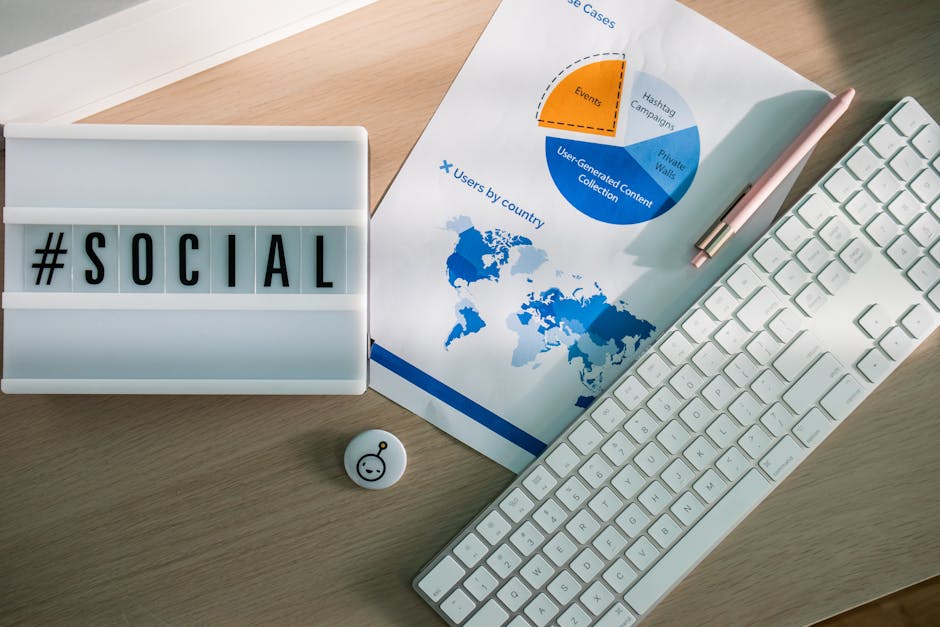
Brands active on social media are easier to reach and more likely to respond. Start with Instagram, TikTok, and YouTube. Search hashtags like #ad, #sponsored, or #partner in your niche. This shows you which brands already work with creators.
Look at who your competitors tag in sponsored posts. If a brand pays one creator in your space, they likely have budget for more. Follow those brands, engage with their content, and note their affiliate program links in bios or video descriptions.
Reddit, Facebook groups, and niche forums surface brands your audience already discusses. Join 3-5 communities where your target readers hang out. Search for product recommendations, complaints, and buying questions. Brands mentioned repeatedly are proven sellers in your niche.
LinkedIn works well for B2B affiliates. Search for “[your niche] affiliate manager” or “[brand name] partnerships.” Connect with these people directly. They manage affiliate relationships and can fast-track your application.
- Instagram search: Use hashtags like #fitnessbrand, #techpartner, or #beautyaffiliate to find active programs
- YouTube descriptions: Check competitor videos for affiliate links and discount codes
- Reddit threads: Search “[your niche] recommendations” to see what products people actually buy
- LinkedIn outreach: Message affiliate managers directly instead of filling out generic application forms

Research Competitor Affiliate Programs to Reverse-Engineer Their Partnerships
Your competitors already did the hard work of finding profitable brand partners. Study their monetization strategy to shortcut your research by months.
Visit competitor websites and look for affiliate disclosure statements. These often list the networks they use (Amazon Associates, ShareASale, CJ Affiliate). Join those same networks and browse their merchant directories filtered by your niche.
Use browser extensions like “Affiliate Link Checker” or manually inspect links in competitor content. Affiliate links contain tracking codes that reveal the network or program. Copy those brand names into a spreadsheet and research their program terms.
Check competitor social media bios for branded links. Many affiliates use link management tools that create short URLs. Click through to see where they redirect. This reveals both the brand and the affiliate platform they use.
According to Influencer Marketing Hub’s 2026 Affiliate Benchmarks Report, 68% of successful affiliates find their top-earning partnerships by analyzing competitor link strategies and joining the same networks.
Build a tracking spreadsheet with columns for brand name, program network, commission rate, cookie duration, and application status. Update it weekly as you discover new opportunities. This turns random research into a repeatable workflow.
- Disclosure pages: Read competitor affiliate disclosures to identify which networks they use
- Link inspection: Right-click competitor links and copy URLs to reveal tracking parameters
- Bio links: Follow short links in Instagram and TikTok bios to discover brand partnerships
- Spreadsheet system: Track every brand you find with program details and follow-up dates
Use Affiliate Networks and Directories to Browse Vetted Programs
Affiliate networks aggregate thousands of programs in one place. They handle tracking, payments, and dispute resolution, which saves you from managing dozens of individual brand relationships.
The largest networks in 2026 are ShareASale, CJ Affiliate (formerly Commission Junction), Rakuten Advertising, Impact, and Awin. Each focuses on different niches. ShareASale excels in lifestyle and e-commerce. CJ Affiliate serves enterprise brands. Impact attracts SaaS and subscription companies.
Sign up for 2-3 networks that match your niche. Browse their merchant directories using filters for category, commission rate, and average earnings per click (EPC). EPC tells you how much other affiliates earn per 100 clicks, which helps you prioritize high-converting programs.
Platforms like Affiliate Aura take a different approach by using AI to match affiliates with relevant merchants automatically. Instead of browsing thousands of listings, you get personalized brand recommendations based on your audience data and content topics. This cuts research time from hours to minutes.
Apply to 10-15 programs in your first week. Most approve within 24-72 hours. Some require a website review or minimum traffic threshold (usually 500-1,000 monthly visitors). If rejected, ask why and reapply after improving your site.
- ShareASale: Best for physical products, fashion, home goods, and lifestyle brands
- CJ Affiliate: Focus on large retailers and established consumer brands
- Impact: Strong in SaaS, subscriptions, and B2B partnerships
- Affiliate Aura: AI-powered matching plus instant payouts when you hit milestones
- Application strategy: Apply to programs slightly above your current traffic level to grow into them
Evaluate Brand Fit Using Audience Data and Conversion Potential
Not every program that accepts you deserves your promotion. Vet each brand before you create content to avoid wasting effort on low converters.
Audience relevance comes first. Check if the brand’s target customer matches your reader demographics. A skincare brand targeting women 25-40 won’t convert well if your audience is mostly men 18-24. Use Google Analytics or social insights to compare your audience age, gender, location, and interests against the brand’s ideal customer.
Engagement rate predicts conversion better than follower count. A creator with 10,000 engaged followers outperforms one with 100,000 disengaged followers. Look at your recent posts: if you get 500+ likes and 50+ comments per post, brands see you as high-engagement. If engagement sits below 2-3%, focus on growing engagement before pitching premium brands.
Commission terms reveal how much you’ll actually earn. Compare base commission, cookie duration, and average order value. A 30-day cookie beats a 7-day cookie because customers have more time to convert. A brand with $150 average order value and 15% commission earns you $22.50 per sale. That beats a $50 product at 20% commission ($10 per sale) if conversion rates are similar.
Credibility checks protect your reputation. Google “[brand name] reviews” and “[brand name] complaints.” Read Better Business Bureau ratings and Trustpilot scores. If you see patterns of poor customer service, late shipments, or low-quality products, skip the partnership no matter how good the commission looks.
- Audience alignment: Compare your analytics demographics to the brand’s customer profile
- Engagement threshold: Aim for 3-5% engagement rate before pitching premium brands
- Commission math: Calculate earnings per sale using commission rate times average order value
- Reputation research: Spend 10 minutes reading reviews before committing to promote
Reach Out With Personalized Pitches That Show Your Value
Generic outreach gets ignored. Brands receive dozens of affiliate requests weekly. Your pitch needs to show why partnering with you drives sales, not just traffic.
Find the right contact first. Look for “affiliate manager,” “partnership manager,” or “influencer marketing” on LinkedIn. Check the brand’s website footer for “affiliates” or “partnerships” links. If you can’t find a contact, email [email protected] with a clear subject line like “Partnership Inquiry: [Your Name/Platform].”
Structure your outreach email in four parts. Start with one sentence about why you’re reaching out. Add 2-3 sentences proving you understand their product and audience. Include your most impressive metric (traffic, engagement rate, or niche authority). End with a clear ask and make it easy to say yes.
Here’s a template that converts:
Subject: Partnership opportunity: [Your Niche] content for [Brand Name]
Body: Hi [Name], I create [content type] for [audience size/description] focused on [niche]. I’ve been recommending [specific product] to my audience because [genuine reason], and I’d love to explore an affiliate partnership. My content typically drives [specific metric: X clicks, Y% conversion, Z sales] for similar brands. I’ve attached a one-page media kit with performance data. Would you be open to a quick call this week to discuss how we could work together?
Attach a simple one-page PDF with your traffic stats, engagement rate, audience demographics, and 2-3 examples of past successful partnerships. Keep it visual and scannable. Brands make decisions in 30 seconds or less.
Follow up once after 5-7 days if you don’t hear back. If still no response, move on. The best partnerships come from brands that respond quickly and enthusiastically.
- Research the contact: Spend 5 minutes finding the right person’s name and email
- Lead with value: Explain what they get (sales, exposure) before what you want (commission)
- Include proof: Share one strong metric that demonstrates your ability to drive results
- Make it easy: Attach a media kit so they don’t have to ask for more information
- Follow up once: Send a brief reminder after one week, then move on if no response
Build a Repeatable Brand Prospecting Workflow
One-off searches don’t build a sustainable affiliate business. You need a system that continuously surfaces new partnership opportunities without consuming all your time.
Set up a weekly research block of 2-3 hours. During this time, run through your prospecting checklist: browse affiliate networks for new programs, check competitor content for new brand mentions, search social media hashtags, and review community discussions for trending products.
Use a CRM or spreadsheet to track every brand interaction. Create columns for brand name, contact person, outreach date, response status, and follow-up deadline. This prevents you from losing track of conversations or double-pitching the same brand.
Automate discovery where possible. Set up Google Alerts for “[your niche] affiliate program” and “[your niche] brand launch.” Use tools like BuzzSumo or Mention to track when competitors publish new sponsored content. Join affiliate network email lists to get notified of new program launches.
Platforms like Affiliate Aura automate much of this workflow by continuously matching you with new relevant brands based on your content and performance. Instead of manual research, you receive partnership opportunities directly. This is especially valuable once you’re managing 10+ active programs and don’t have time for weekly prospecting.
Review your tracking sheet monthly. Identify which outreach methods convert best (networks vs. direct outreach vs. AI matching). Double down on what works and cut what doesn’t. Most successful affiliates find 60-70% of their partnerships through just 1-2 channels once they optimize their workflow.
- Weekly research block: Schedule 2-3 hours every week for systematic brand discovery
- Tracking system: Use a spreadsheet or CRM to log every brand contact and follow-up date
- Automated alerts: Set up Google Alerts and network notifications for new opportunities
- Monthly optimization: Review which discovery methods produce the most approved partnerships
- AI assistance: Consider platforms that automate matching to save research time
Frequently Asked Questions
How do I find brands for affiliate marketing partnerships?
Start by defining your ideal partner based on audience overlap and commission structure. Then use a combination of affiliate networks like ShareASale or CJ Affiliate, competitor research to see who they promote, social media searches for brands using #ad or #sponsored in your niche, and direct outreach to brands your audience already buys from. Most successful affiliates find 60-70% of their partnerships through 1-2 primary channels once they establish a repeatable workflow.
How do I find companies that have affiliate programs?
Check the footer of brand websites for “affiliate program” or “partnerships” links, which usually lead to application pages. Browse affiliate network directories like ShareASale, Impact, or Awin that list thousands of programs by category. You can also Google “[brand name] affiliate program” or use browser extensions to inspect competitor affiliate links and identify which programs they use. Many e-commerce brands also list their affiliate programs on their About or Contact pages.
How do I find affiliate partners in my niche?
Join niche-specific communities on Reddit, Facebook groups, and forums where your target audience discusses products and asks for recommendations. Search social media hashtags combining your niche with terms like “affiliate,” “partner,” or “sponsored” to find brands actively working with creators. Analyze competitor content to see which brands they promote repeatedly, as these are proven converters in your space. You can also filter affiliate network directories by category to browse programs specific to your industry.
How do I approach a brand for an affiliate partnership?
Find the affiliate or partnership manager on LinkedIn or the brand’s website, then send a personalized email explaining why you’re a good fit. Start with one sentence about your interest, prove you understand their product and audience, share your strongest performance metric like traffic or engagement rate, and attach a one-page media kit with relevant stats. Make your ask specific and easy to respond to, like requesting a 15-minute call. Follow up once after 5-7 days if you don’t hear back, then move on to other opportunities.
What are the best affiliate networks to join?
ShareASale works well for lifestyle, fashion, and physical products with over 16,000 merchants. CJ Affiliate serves large enterprise brands and retailers with established programs. Impact specializes in SaaS, subscription services, and B2B partnerships. Rakuten Advertising and Awin offer strong international brand coverage. For faster payouts and AI-powered brand matching, newer platforms like Affiliate Aura provide instant commission payments when you hit milestones instead of the typical 30-60 day wait. Join 2-3 networks that align with your niche rather than spreading yourself across every platform.
How long does it take to get approved for affiliate programs?
Most affiliate networks approve applications within 24-72 hours if you meet basic requirements like having an active website or social media presence. Individual brand programs within networks can take 1-7 days depending on their review process. Some premium brands require minimum traffic thresholds, usually 500-1,000 monthly visitors, and may take up to two weeks to manually review your content quality and audience fit. If rejected, ask the network or brand why and reapply after addressing their concerns.
Should I join an affiliate network or contact brands directly?
Start with affiliate networks because they provide easier access to hundreds of programs, handle all tracking and payments, and don’t require individual negotiations. Once you have proven performance data from network programs, reach out to larger brands directly to negotiate higher commission rates or exclusive terms. Direct relationships typically pay 20-40% more but require you to manage separate tracking links and payment schedules. Most successful affiliates use both approaches, with 60-70% of revenue from networks and 30-40% from direct partnerships.
Ready to Get Started?
Finding the right brand partnerships takes systematic research, but you don’t have to do it all manually. Affiliate Aura uses AI to match you with relevant brands based on your audience and content, then provides real-time tracking and instant commission payouts when you hit milestones. Instead of waiting 30-60 days for payment or spending hours browsing directories, you get personalized partnership opportunities and faster cash flow. Sign up to see which brands are looking for affiliates in your niche right now.